
Hiking to waterfalls is an outdoor adventure that’s tough to top. There’s something magical about trekking through the woods, heart pounding, while the sound of rushing water draws you forward long before you see it. Over the years, I’ve spent countless weekends tracking down both the tallest and the most hidden waterfall hikes, and every trip has paid off. Whether you’re just starting to get into hiking or searching for your next outing, I’m here to share tips, favorite features, and hands-on advice for making the most of your waterfall hike.
Why Waterfall Hikes Are So Loved
Waterfall hikes are true highlights in my outdoor adventures. Sure, seeing a waterfall is always eye-catching, but the ride getting there makes the experience even richer. Trails to waterfalls often wind through forests, climb rocky terrain, and lead you to secluded places you’d never stumble upon otherwise. Even smaller cascades are worth checking out; they provide a peaceful spot that’s a world away from daily life.
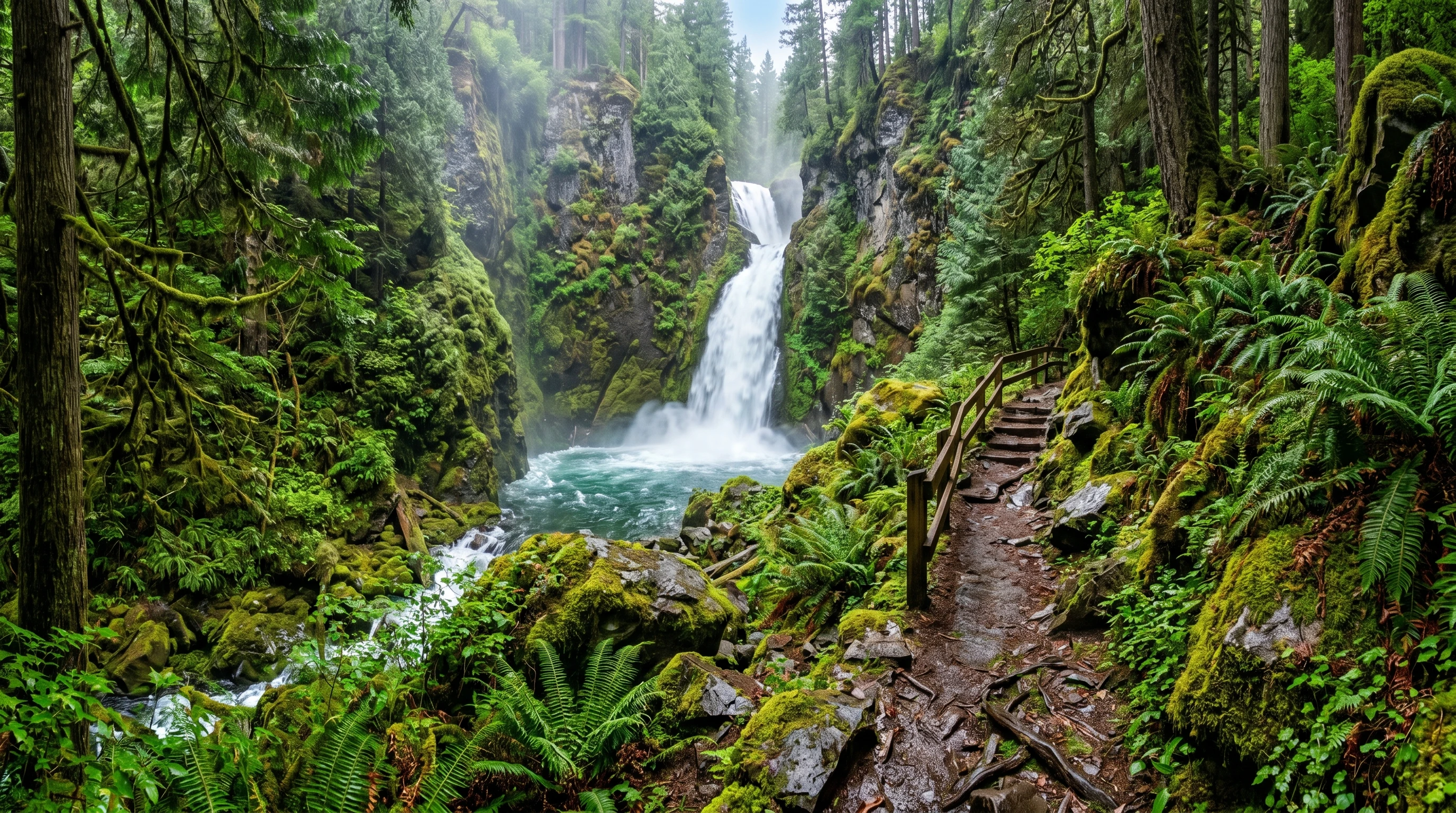
When you’re making your way to a waterfall, you’re surrounded by thick green moss, tall trees, and that soothing hiss of falling water mist. It’s a perfect blend of working up a sweat, soaking in nature, and finding a moment of peace. Tons of people agree—waterfall hikes are popular just about anywhere there are hills and running water. From the misty woods of the Pacific Northwest to ancient forests in Wales or vibrant landscapes in Southeast Asia, waterfall lovers flock to these places year-round.
How To Choose a Good Waterfall Hike
If you’ve never tried a waterfall hike, picking the right trail can make or break the experience. Not all trails are created equal when it comes to effort, views, and the payoff at the end. Here’s how I size up the options:
- Distance and Elevation: Some falls sit just a few steps from parking, while others demand hours of hiking and steep climbs. Always check total distance and how much uphill climbing is involved.
- Trail Conditions: Waterfall trails are often muddy or slippery, especially after rain. Some have bridges and stairs, others are raw and rugged. A little research goes a long way here.
- Season: Waterfalls change a lot depending on the season. Spring and early summer, boosted by melting snow, give you dramatic flows. Come late summer or early fall, water can slow down, but crowds thin out, and the vibe is different.
- Popularity: Big-name waterfalls get busy, especially on weekends or holidays. To get a bit of quiet time, I always try to start early in the morning.
Looking up current trip reports on hiking apps like AllTrails or chatting in local hiking groups online gives you a heads-up on trail conditions, closures, or special challenges. This step saves a lot of trouble down the line.
What To Pack for a Waterfall Hike
Waterfall hikes don’t require a ton of gear, but the right stuff makes the ride far more enjoyable. Here’s what I like to pack for a typical outing:
- Waterproof Shoes: Expect mud and slick rocks. Sturdy shoes with good grip are non-negotiable, and I don’t worry about them getting wet. Best Waterproof Hiking Boots for Rainy Weather will give you information on what to look for in a good waterproof boot.
- Rain Jacket or Poncho: Even on clear days, fine mist from the falls can leave you soaked. I’ve learned to always keep a shell handy
- Camera or Smartphone: Waterfalls are super photogenic. My phone does the trick, but a small camera works, too. I keep it in a zip-top bag for protection.
- Snacks and Water: Hikes make you hungry. A water bottle and energy bar are must-haves, no matter how short the hike.
- Dry Bag or Zip-Top for Electronics: Splash zones can sneak up on you. A bag for your electronics and keys keeps them safe.
It’s wise to tuck in a tiny first aid kit, sunscreen, and bug spray. Layers are smart if your area gets moody weather. A hat or sunglasses help on sunnier trails. Best Packing Checklist For Hiking has a more detailed list of items to have for what type of hikes you may want to venture on.
Best Practices for a Safe and Enjoyable Hike
Staying smart around waterfalls is crucial. The rocks near waterfalls are often the slickest you’ll find. Here’s how I keep things safe and smooth:
- Watch Your Step: Wet stones and moss spell trouble. Step carefully and give yourself time near the edge.
- Respect Fences and Signs: Barriers exist for good reason; swift currents and sudden drops are dangerous, even for the experienced.
- Stick to the Trail: It’s tempting to explore off the path, but you’ll do less harm to plants and yourself by staying on the marked route.
- Weather Smarts: Heavy rains upstream can suddenly raise water levels. Check the weather before you go and don’t mess with storms or flood warnings.
When hiking with a group, pick a spot to regroup if anyone lags behind. In quieter parks, I always let a friend know my route and return time.
Notable Waterfall Hikes Worth Checking Out
Every region has unique waterfalls with their own character. Here are a few favorites that stand out from my travels and from friends’ recommendations:
- Multnomah Falls (Oregon, US): One of the most photographed spots in America, with an iconic bridge and an easy-to-reach viewing platform.
- Plitvice Lakes (Croatia): Wander along wooden footpaths as you pass over turquoise pools and step into a landscape that feels unreal.
- Fairy Pools (Isle of Skye, Scotland): A beautiful stretch of blue-green pools and cascades set against rugged Scottish hills.
- Bridalveil Fall (Yosemite, US): A short walk for a massive, dramatic waterfall—get ready for major spray in the spring months.
- Gunlom Falls (Northern Territory, Australia): More adventurous, but the prize at the top is a natural infinity pool above the red outback.
National Park websites, travel blogs, and hiking communities online are goldmines for finding these and many other local gems, along with up-to-the-minute info and tips to make the most of your visit.
Common Challenges and How to Deal with Them
All hikes have unpredictable bumps in the road. Here are problems I’ve run into myself, along with simple solutions:
- Mud and Bugs: Some waterfall trails are muddy or buggy most of the year. Old towels and clean socks stay in my car, while bug spray lives in my pack.
- Parking Hassles: Busy falls mean busy lots, especially in nice weather. Early arrival or scouting hidden trailheads can save major time.
- Waterfalls Running Low: Some seasons bring thin flows. I always peek at recent pics online before heading out to avoid disappointment.
- Crowds: Beat the masses by hiking in the morning or checking out lesser-known falls. Some smaller spots offer peace and beauty with far fewer people.
Mud and Slippery Rocks
Mud is almost a given on certain routes. I move slowly, wear shoes I don’t mind ruining, and stash dry clothes for the ride home.
Parking Strategies
Waterfalls with convenient parking fill up the fastest. I scout the area ahead of time, consider carpooling, or check for legal roadside options if needed.
Tips for Capturing Waterfall Photos
Bagging a great shot is a favorite part of any waterfall hike. Here’s how I try to snap next-level cool pics:
- Bring a Tripod or Prop: A small tripod or just placing your phone on a rock can help nail those smooth waterfall shots.
- Choose Different Angles: Back up for an epic wide shot, or zoom in on details of the rocks and splashes for variety.
- Tweak Your Camera: Slow the shutter speed (on smartphones, try “live” or “motion” photos) to create dreamy flowing water.
- Avoid Crowds in Pics: Wait for quiet moments or crop later to capture the waterfall without a crowd.
Best lighting often happens early or when it’s partly cloudy—bright sunlight can wash out the scene, while softer light lets colors pop more naturally.
Quick Answers to Common Waterfall Hike Questions
Here are a few questions hikers new to waterfall hunting often ask me:
How do I find waterfall trails near me?
Many hiking apps offer “waterfall” filters. Your local hiking group, online forums, and park service websites will usually have a list of waterfall highlights and helpful tips.
Is it safe to swim at the base of a waterfall?
Sometimes, but only where it’s marked as safe. Slippery rocks and hidden currents are common, so always pay attention to posted warnings and stick to swimming areas with other people around.
Are waterfall hikes just for experienced hikers?
Definitely not! Many are suitable for beginners, families, or laid-back outings. A quick look at trail details will tell you if the hike fits your comfort and skill level.
Wrapping Up: Why Waterfall Hikes Are Worth Trying
Waterfall hikes are a winning blend of exercise, scenery, and a slice of tranquility you don’t get in your everyday routine. Even short hikes that end at a small cascade feel like an accomplishment. With a bit of planning, the right gear, and an open mind, you’ll get the most out of every trip. I’m always searching for new waterfalls; there’s always another hidden treasure just around the bend—waiting to make your next adventure memorable.