
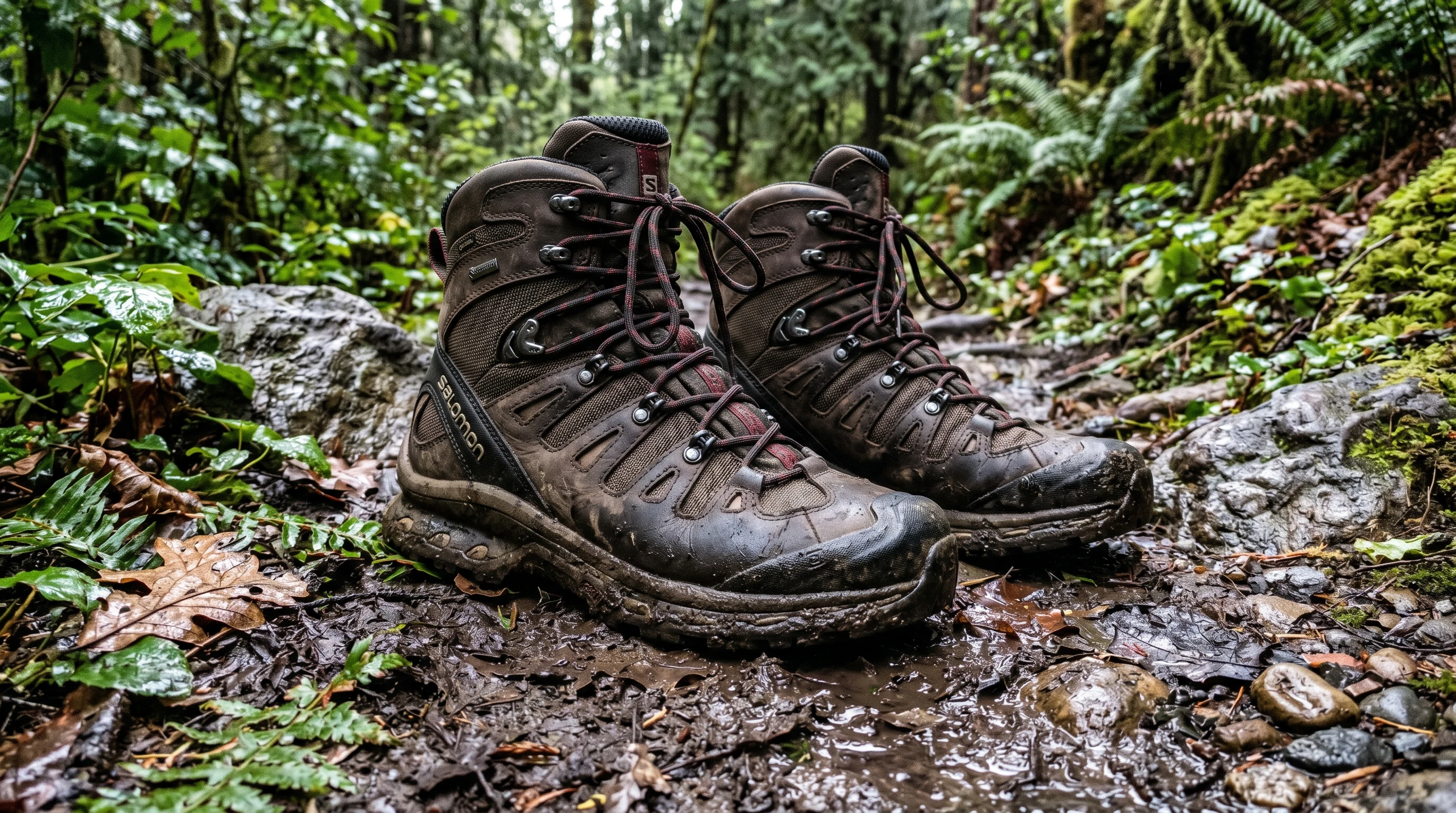
 If you’ve ever set out on a rainy day hike, only to end up with soggy socks and pruned toes, I totally get the struggle. Picking the wrong boots for wet weather puts a serious damper on any adventure, and it doesn’t take long for cold feet to spoil the fun.
I spent ages trying different hiking boots, searching for something that could actually keep my feet dry without weighing me down. Now, I’m ready to break down what I’ve learned to help you stay comfortable and confident, whatever the forecast throws your way.
Common Waterproof Boot Mistakes (And How to Avoid Them)
The biggest problems people run into with waterproof hiking boots usually aren’t about price or effort. It’s easy to end up with boots that don’t actually keep water out, or ones that turn every trail into an uncomfortable slog.
Here’s where a lot of hikers get tripped up:
- Relying on “water-resistant” boots instead of true waterproof models.
- Choosing boots that don’t fit well, so water sneaks in at the ankle.
- Overlooking breathability, leading to sweaty feet even when rain stays out.
- Thinking all waterproof linings perform the same way over time.
The good news is that some knowledge, a little research, and the right choices make a huge difference. I’ll show you how to pick boots that actually work. No epic puddles required for a test.
What Makes Hiking Boots Waterproof?
Waterproof hiking boots use special materials and construction to keep your feet dry, even during downpours or when you have to splash through streams. This comes down to two main features: membranes and treated outer materials.
- Waterproof Membranes: Most boots use a layer like Gore Tex, eVent, or a brand’s in-house tech. This thin film sits between the outer and inner boot, blocking water while letting sweat escape.
- Durable Water Repellent (DWR): The outer fabric often gets a coating that causes water to bead up and roll off instead of soaking in.
It’s worth checking that even the seams and tongues are sealed so nothing seeps in. If you regularly hike in soggy forests or mountain trails, I’ve found a full height boot with a gusseted tongue is pretty handy.
Another key factor is how the boot is constructed. Higher quality boots often have better seam sealing, which dramatically affects waterproof performance and longevity. Pick boots with stitched or welded seams that feel tightly sealed. Also, test the flexibility of the tongue, as stiffer tongues can sometimes create tiny gaps along the lacing if not fit properly.
The Waterproof Hiking Boots I Recommend for Rainy Weather
After years of hiking in rain, mud, and slush, some boots keep coming up as favorites among outdoor lovers. Here are a few I recommend (and why they work):
- Salomon X Ultra 4 GTX: Lightweight, flexible, and uses Gore Tex for dependable waterproofing. Great grip on slick rock and roots. I reach for these whenever I expect changing weather conditions.
- Merrell Moab 3 Waterproof: Known for comfort straight out of the box, with M Select DRY barriers. These have a wider fit and soft support, easy on the feet during long days.
- Keen Targhee III Waterproof Mid: These have a roomy toe box, KeenDry membrane, and a rugged build that stands up to sharp rocks and puddle jumping. The ankle support also feels solid.
- La Sportiva Nucleo High II GTX: A little pricier, but worth it if you hike rough trails and want topnotch waterproofing paired with great breathability.
- Columbia Newton Ridge Plus II: More budget friendly and packs in waterproof leather with a lightweight design, perfect for casual hikes or travel.
I haven’t had a single pair of these soak through on a wet hike, even during surprise storms. Each has eye catching features that make them worth considering based on your hiking style and foot shape.
What to Look For in Waterproof Hiking Boots
Before you buy, it’s really important to focus on a few features:
- Fit: Make sure there’s room to wiggle your toes, especially if your feet swell on a long trail.
- Ankle height: Mids and highs keep out deeper water better than lowcut hiking shoes. I always go for mids if I know I’ll be splashing a lot.
- Traction: Deep lugs and sticky rubber help you stay upright on slippery, muddy trails.
- Breathability: Even with waterproofing, your feet need to breathe. Look for boots with mesh and ventilation features or waterproof membranes designed to move sweat out.
- Weight: Extra waterproofing can add bulk, so it’s good to choose something light enough not to slow you down.
Read recent user reviews online too, since waterproof linings sometimes fail early in cheaper models. Stores like REI or Backcountry are also solid places to try boots on before buying.
An extra tip: If you hike in various climates, try mixing in some variety with both waterproof and nonwaterproof pairs. This way, you always have the right boots for the season and the weather. It’s a game plan that saves your feet, whether you step out on a misty morning or in the blazing sun after a storm.
How I Test My Waterproof Boots in Real Life Weather
I don’t trust product labels alone. When I get a new pair, I put them through their paces:
- Hiking or walking through shallow streams and puddles.
- Puddling around in wet grass or soaked leaves for at least 30 minutes.
- Checking for leaks by standing in an inch of water or under a running hose for a minute.
Boots that keep my socks dry and avoid that swampy feeling inside go on my “rainy day” gear list. If you want reliable waterproof boots, I recommend this kind of backyard testing. It saves a lot of headaches on the trail if you can trust your shoes before you head out.
If you’re into detailed testing, try swapping between different brands on a single hike. It really helps you get a sense of which fit and feel suit you best, especially if your feet change size as the miles go by. Jotting down some notes in a hiking journal can also give a boost to your future gear decisions.
Real World Stories from Hikers
“My Keens survived three hours of rain in the Smoky Mountains; dry feet the whole time.” – Jamie D.
“I wore Salomon X Ultras on a muddy Oregon waterfall hike, and my feet didn’t get wet once, even after hopping across streams.” – Mark S.
“After hiking Lake District trails in steady drizzle, the Merrell Moabs kept me smiling and blister free.” – Riley A.
It’s always super helpful to check what other hikers say about their boots in wet, messy, or swampy settings. Online hiking forums and review sections are packed with tips from real trail fans. You can learn surprisingly useful tricks, like which socks to pair with which boots or how to dry boots fast between hikes.
Frequently Asked Questions About Waterproof Hiking Boots
- How should I care for waterproof boots? Clean off mud after each hike, let them air dry (never on a radiator), and reapply a DWR spray every couple of months. This keeps them performing well all year.
- Are waterproof boots good for summer? They’re great for wet grass and mountain storms, but if it’s super-hot and dry, you might want something more breathable to keep your feet cool.
- Do all hiking boots stay waterproof forever? Usually, the membrane or outer treatment wears out over time. If you hike a lot, you might need new boots every couple of years to keep feet totally dry.
If you are curious about hiking sock choices or how to dry boots quickly after hiking, there are plenty of tricks shared on forums and in gear guides. Wool socks tend to keep feet warm even if a little wet, and newspaper packed inside boots can speed things up when they get soaked.
Where to Buy and Try Waterproof Hiking Boots
- Local outdoor shops often let you try boots with different socks for the best fit.
- Reputable retailers like REI, Backcountry, or Moosejaw offer easy returns if something isn’t quite right.
- Online reviews and hiking forums give a real sense of how boots perform in rainy weather, so reading up helps.
A little time spent fitting and testing pays off big time once you’re out on muddy or rain-soaked trails. Keep your feet dry, comfortable, and ready for new adventures, no matter how gloomy the skies get. Wrapping up, picking the right waterproof hiking boots is one of the best steps you can take to really enjoy hiking in any weather.