
Heading out on a hiking trip usually feels exciting but figuring out exactly what to pack can leave a lot of folks scratching their heads. Overpacking can weigh you down, but leaving out an important item can quickly sour an otherwise fun day outdoors. I’ve built this super detailed packing checklist and guide based on years of hiking experience, so whether you’re gearing up for a weekend in the mountains or a quick local trail, you’ll track down practical info here for smooth and safe adventures.
Core Hiking Checklist: The Basics You Really Need
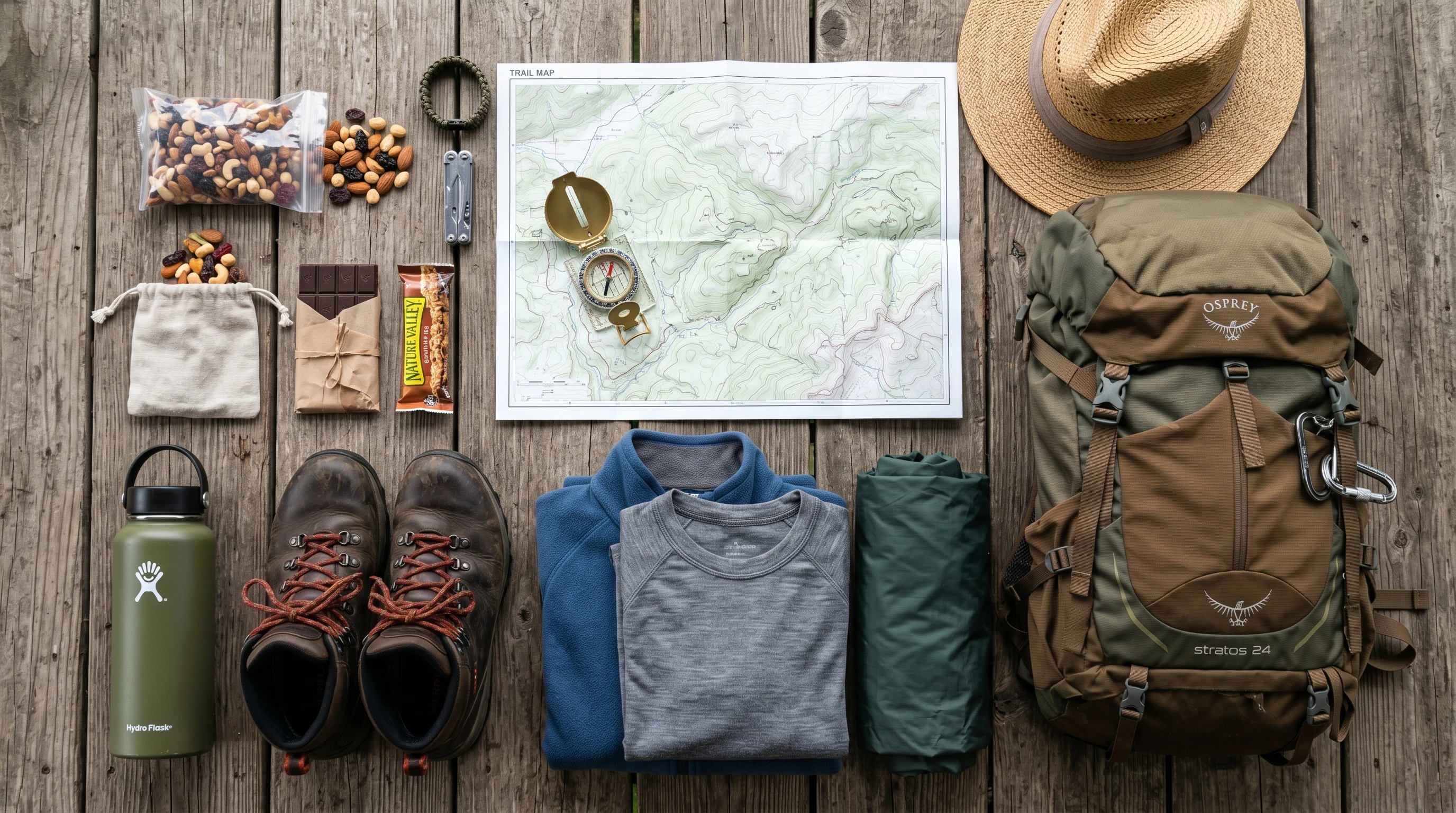
The gear you pack directly affects your hiking experience. Carrying the essentials for safety, finding your way, and comfort is a good idea, even if you’re just going out for a couple of hours. Here’s a list I rely on for day hikes and longer treks:
- Backpack: Look for a lightweight backpack with good support and enough room for all your gear.
- Weather Appropriate Clothing: Dress in moisture wicking layers. A light base layer, a warm mid layer, and a waterproof outer shell keep you covered for most conditions.
- Hiking Boots or Shoes: Choose sturdy, well broken in boots if the trail is uneven or rocky. Trail runners work on smoother, dry terrain.
- Navigation Tools: Bring a map and compass, even if you plan to use your phone’s GPS; batteries can die or signals can drop out.
- Food and Water: High energy trail snacks and 500ml to 1L of water for every two hours of hiking. Hydration bladders or bottles both work.
- First Aid Kit: Pack bandages, antiseptic wipes, blister pads, painkillers, and any meds you personally need.
- Sun Protection: Sunscreen, SPF lip balm, sunglasses, and a hat all help out more than you might think.
- Rain Gear: Even if the forecast is clear, a compact rain jacket or poncho folds up small and keeps you dry if the weather switches up unexpectedly.
Understanding Hiking Essentials and Why They Matter
Packing isn’t just about loading up your bag and heading out. It’s about choosing the right tools for both a fun and safe hike. Bringing essentials, like extra water or a headlamp, keeps you prepared for unexpected turns, like losing your way after dusk or a sudden change in the weather.
The “Ten Essentials” are pretty well known in the hiking world. They cover survival, orientation, and comfort, and really help for anything from local hikes to backcountry adventures. Even for short trips, these basics can be a game changer if something doesn’t go as planned.
- Navigation (map, compass, GPS)
- Sun protection (sunglasses, sunscreen)
- Insulation (jackets, hats, gloves)
- Illumination (flashlights, headlamps)
- First aid supplies
- Fire (matches, lighter, fire starter)
- Repair kit and tools (knife, multitool)
- Nutrition (extra food)
- Hydration (extra water)
- Emergency shelter (space blanket, bivy sack)
Packing for Your Environment and Hike Length
Different trails and seasons can totally change what you need to bring. Here’s how I adjust my pack for different types of hikes:
Day Hike
Shorter hikes need just the basics, but I always bring more water than I expect to drink and a few energy bars or trail mix packs. A small first aid kit feels light but comes in handy for blisters and minor scrapes. Sun protection and a rain jacket never leave my bag since weather can surprise you even within an hour.
Overnight Trip
Longer hikes mean carrying extra gear, like overnight items such as a sleeping bag, lightweight tent or tarp, and more food. I bring at least two ways to purify water, like tablets and a filter, and warmer layers for cooler night temps. A pack cover protects my gear if it rains overnight.
Mountain or Remote Hikes
Heading into higher elevations or less traveled trails, I always add things like trekking poles, a whistle, and a satellite messenger or personal locator beacon. These help with tricky terrain and let someone know if you’re in trouble, even where cell phones don’t work. Emergency shelter like a foil blanket takes up almost no room but can make a big difference in a pinch.
Common Packing Mistakes (and How to Avoid Them)
I’ve made a lot of rookie errors, and I see others do the same. Here’s what to avoid if you want a hassle-free hike:
- Overpacking: Carrying too many “just in case” items make for a heavy, uncomfortable trek. Stick to gear you’re very likely to use, and ditch the extras that rarely help.
- Ignoring the Weather: Don’t take sunny forecasts as gospel. Bringing a lightweight rain layer is always smart, plus a beanie or gloves if it might get cold.
- Poor Footwear Choices: Wearing brand new boots or shoes is a recipe for blisters. Always break in your hiking footwear and use the same socks you’ll wear on the trail.
- Underestimating Water Needs: Running out of water is way more common than it should be. Bring extra, and if possible, know where to refill along your route.
- Lack of Navigation: Relying only on a phone can backfire. A paper map and compass weigh almost nothing and have saved me more than once.
Extra Items for Comfort and Safety
Some items aren’t always strictly necessary, but they can turn a regular hike into a much better trip. Here are a few extras I often add:
- Insect Repellent: Great for buggy areas and keeps you focused on the hike instead of swatting.
- Small Towel or Bandana: Can wipe away sweat, clean up messes, or double as a dust mask.
- Small Trash Bag: For your own litter or picking up what others leave behind. Keeping trails clean is actually satisfying.
- Energy Gels or Electrolyte Tablets: Help replace lost salts and keep energy steady on hot days or longer climbs.
- Camera or Binoculars: Fun for capturing scenery or wildlife if you have the space and don’t mind a few extra ounces.
FAQs About Hiking Packing Lists
These are some questions that come up a lot from friends or people just starting out with hiking:
Q: What’s the best way to keep my pack organized?
Using small packing cubes or zip pouches makes it a lot quicker to find snack bars, first aid, or rain gear without dumping out all your stuff. Group similar things together so you’re not digging for ages when the rain clouds roll in.
Q: How much water should I actually bring?
A good rule of thumb is half a liter (about 17 ounces) per hour for moderate activity in moderate temperatures. For longer hikes or really hot days, bring more. Water filters or purification tablets are smart for places with natural water sources.
Q: What if I’m hiking with kids or a group?
Divide shared items like first aid, finding your way, and shelter between everyone so nobody gets stuck carrying the heaviest load. Bring extra snacks, sunscreen, and entertainment (like a card game) for young hikers.
Real World Examples of Hiking Packing Wins (and Fails)
I still remember the time I packed a space blanket “just in case” on a late spring day hike, then got caught in an unexpected cold downpour. That shiny sheet not only kept me warm but also saved my phone after I wrapped it up. On another trip, forgetting an extra pair of socks led to a sad, squishy walk back after a creek crossing went wrong. Little things like extra socks, a headlamp (even if you plan to finish before dark), and a backup firestarter probably won’t seem next level cool until you need them.
Adding personal touches based on your own needs or habits helps, too. I always have a few strips of athletic tape, since it’s super helpful for gear repairs and covering blisters.
Final Thoughts: How to Build Your Personalized Hiking Checklist
Building your own packing checklist doesn’t have to be complicated. Start with the basics and tweak as you get more experience. Ask yourself questions like: How long is the hike? What’s the weather looking like? Am I comfortable carrying everything I pack? Checklists can be digital (apps like All Trails offer custom packing reminders) or handwritten on an index card tossed in your bag.
With enough practice, you’ll know your must haves by heart, and packing will become the easiest part of hitting the trail. Prepping well means you spend way more time enjoying the hike itself, soaking in the views and fresh air, and less time stressing over what you forgot back home. Packing right seriously lets you get the most out of the adventure, from peaceful forest strolls to new mountain climbs.