Altitude sickness, also called acute mountain sickness or AMS, is something I’ve had to deal with on some of my own hiking trips. As more people plan getaways to high places like the Andes, Nepal, or even some peaks in the Rockies, the need for handy remedies keeps growing. If you’re aiming for peaks in 2026, it’s really helpful to know what to pack in your kit and how to keep the symptoms in check, whether you’re a casual hiker, a serious climber, or just someone who’s planning a trip to a high-altitude city. Here I’m breaking down the best altitude sickness remedies for 2026, plus a few practical tips I picked up along the way.
Understanding Altitude Sickness in 2026
Altitude sickness is caused by a lower concentration of oxygen as you get higher above sea level. You’ll probably notice signs like headaches, nausea, dizziness, and shortness of breath typically starting around 2,500 meters (about 8,200 feet). The severity varies a lot from person to person. Even experienced hikers can still feel the impact. Being familiar with what causes AMS is the first step to handling it better.
Ski towns, trekking routes, and mountain resorts are more popular than ever, and so are the tools and remedies aimed at preventing or easing the symptoms. Whether you’re climbing Kilimanjaro or just planning a road trip through high altitude passes, staying informed can help make your experience more comfortable and a lot safer. As travel increases, knowledge about altitude issues is spreading fast, which leads to better preparation and safer adventures for everyone heading to the mountains.
Popular Remedies and Solutions in 2026
People have tried lots of remedies over the years. In 2026, there are a few that travelers and experts turn to again and again because they’re convenient, effective for many, and have solid track records. Here’s what I usually recommend checking out:
- Acclimatization: Taking things slowly is usually the top recommendation. Giving your body a few days to adjust before going higher up really does make a difference and can reduce your risk more than any pill or supplement. Allow yourself to rest and pay attention to your body’s signals.
- Prescription Medications: Acetazolamide is still widely used. The 2026 versions come in slow release and easier to digest formulas, which a lot of people find useful. Some prescription drugs, like dexamethasone and nifedipine, can help prevent more serious complications, but these are generally for higher altitudes or situations with medical supervision.
- Oxygen Supplements: Portable oxygen canisters are much lighter and more affordable in 2026, so I notice more hikers carrying them as backup. They’re easy to use, although they’re really more for short term relief during tough spots on the trail.
- Herbal Remedies: Herbal pills and teas, especially those containing ginkgo biloba or coca leaf extract, are popular in some regions. Clinical results are mixed, but some travelers swear by them for milder symptoms. Keep in mind that results vary from person to person and these should not replace professional medical advice.
- Hydration Solutions: Electrolyte infused water and rehydration powders play a bigger role now, since dehydration makes symptoms worse. Brands have stepped up their game too; look for zero sugar versions in small, lightweight packets that are easy to carry and simple to mix into your water bottle.
QuickStart Guide: How to Prepare for High Altitude
Planning ahead can keep altitude sickness from ruining your trip. Here’s what I usually suggest adding to your routine before heading to high elevation:
- Plan gradual ascents: Aim to sleep no more than 300 to 500 meters higher each night over 3,000 meters. It’s not the fastest way, but it’s worth it. Your body will thank you for taking a slower approach.
- Rest and hydrate: Drink water often, avoid alcohol on arrival, and don’t push yourself physically right out of the gate. Giving your body recovery time is essential.
- Pack preventive meds: See a doctor first, but packing acetazolamide or your preferred prescription drug is really important if you’re going above 2,700 meters.
- Snacks and supplements: Pack high carb snacks and electrolyte powders. Carbs help your body use oxygen more efficiently at altitude. Electrolytes support hydration and energy during long days out.
- Monitor your symptoms: Pay attention to headaches, trouble sleeping, and nausea. If symptoms worsen with rest, go down immediately. Don’t try to tough it out; listening to your body can save your trip and keep you safe.
Using these steps has made my past climbs and hikes a lot breezier and they’ve come in handy for friends and travel buddies, too.
What to Think About Before Choosing a Remedy
Picking the right solution depends on your health, how high you’re going, and how fast you’ll be climbing. Some important points I always look at:
- Medical history: If you have asthma, heart problems, or are pregnant, ask your doctor before your trip. Remedies and altitude can have unexpected effects, so personal medical advice is worth it every time.
- Side effects: Some medications, like acetazolamide, can cause tingling, increased urination, or changes in taste. Knowing this ahead of time helps keep surprises at bay on the trail and allows you to prepare accordingly.
- Type of trip: Fast ascents (like flying straight to La Paz, Bolivia) are riskier than gradual hikes up a mountain. Remedies might differ for city sightseeing at altitude versus a high-altitude trek. Your plans matter in what you pack.
- Local options: Some countries have their own trusted herbal remedies or locally available medications. Coca tea is a staple in Peru and a go-to for many locals. In Nepal, ginger tea is a favorite. Knowing and respecting local practices can give you extra options in a pinch or when supplies run low.
Fast Facts About Prescription Medications
Prescription remedies for altitude sickness have come a long way. Acetazolamide’s slow-release option, launched for wider use in 2025, reduces some of the tingling side effects a lot of people noticed with the quick release tablets. Dexamethasone is more often used as a rescue medication now, either by medical professionals on guided trips or as a backup for climbers heading above 4,000 meters. Nifedipine, another prescription, is sometimes used for those with existing cardiovascular concerns.
Oxygen Canisters
Portable oxygen is more compact in 2026; bottle sizes fit easily in a daypack, making them popular for travelers who want extra reassurance. Just remember, they help for short spells, but they’re not a replacement for resting or descending if symptoms get out of hand. If symptoms persist, going to a lower altitude is absolutely necessary.
Herbal Solutions
The research is still out on how well herbs like ginkgo biloba work for everyone, but some travelers feel they help. Coca tea (legal in the Andes, not elsewhere) is a local fix that I’ve seen give relief, especially for headaches and energy dips. Ginger tea is calming for the stomach and can ease mild nausea. Always try these options with caution, especially if you have allergies or are sensitive to new substances.
Advanced Tips: Avoiding and Managing Severe Altitude Illness
Most cases of altitude sickness are mild, but sometimes things can get more serious. Modern travel clinics have solid checklists for preventing serious issues, and these strategies are worth following:
- Don’t skip rest days: Especially above 3,000 meters, a rest day every three or four days can prevent symptoms from becoming severe. This downtime helps your body adjust.
- Sleep low, climb high: A classic alpinism strategy: climb higher during the day, return to a lower elevation to sleep. This helps the body adjust to the thinner air gradually and is proven to help climbers acclimatize more effectively.
- Carry a pulse oximeter: Lightweight and widely available in 2026, these can help you monitor blood oxygen levels and catch problems early, especially in group settings or with older travelers. It’s reassuring and not expensive.
- Know when to descend: If symptoms don’t improve after rest and medication, heading to a lower spot is always the right move. This is the most reliable remedy out there. No product or hack tops simply getting yourself to lower elevation, so don’t hesitate if you feel worse.
The Basics: Packing for Altitude in 2026
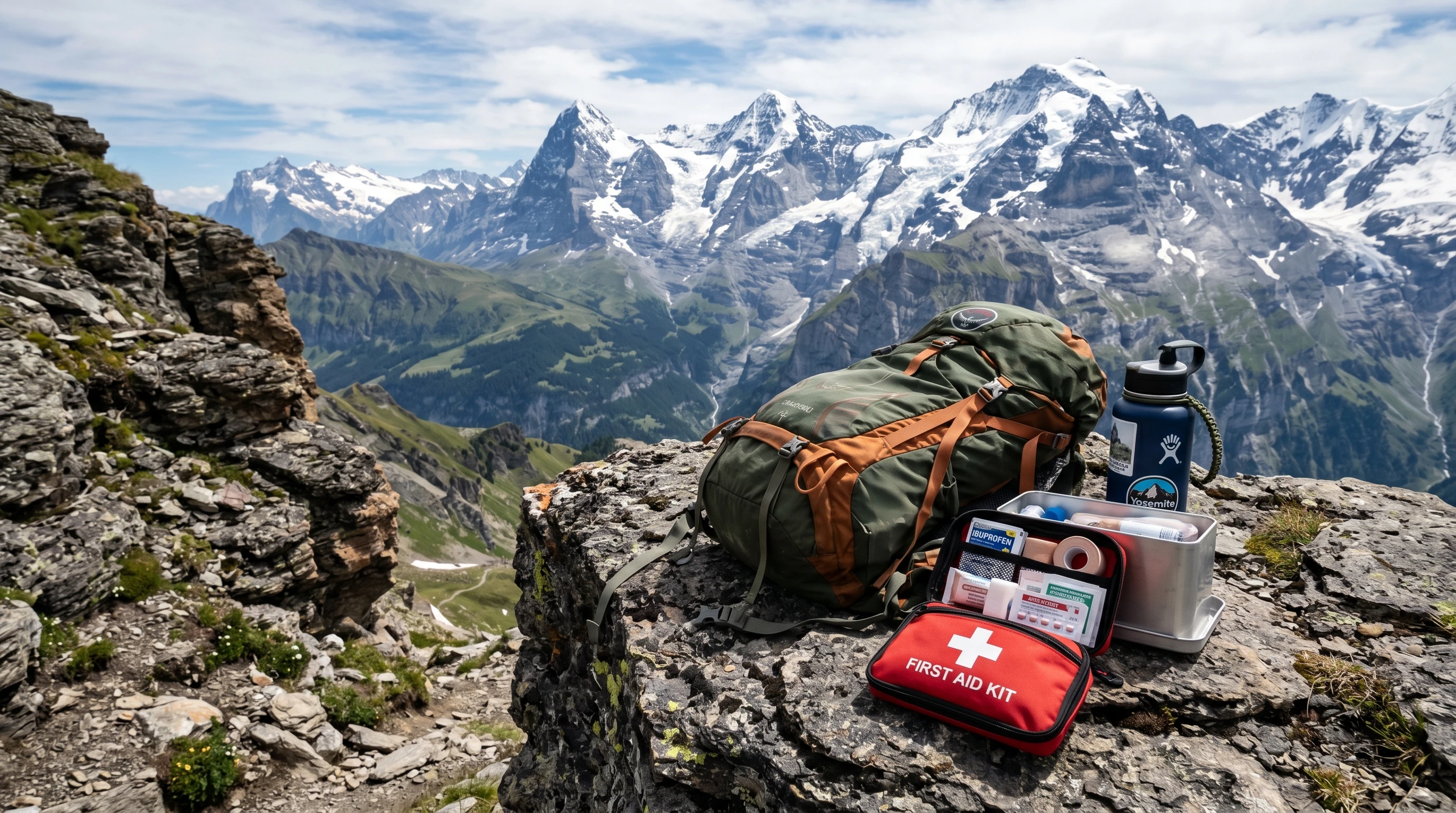
Making a kit specifically for high elevation trips saves a lot of hassle. Here’s what I never leave behind:
- Slow-release acetazolamide or your preferred prescription remedy
- Portable oxygen canister (for backup at very high altitudes)
- Electrolyte powder packets
- High carb snacks like cereal bars or trail mix
- Reusable water bottle, because hydration is as important as meds
- Pocket medical guide on altitude sickness symptoms and treatment, or just download a reputable PDF
- A pulse oximeter (especially useful for groups or treks above 3,500 meters)
This kit covers all the basics for most situations. For longer treks or expeditions, you’ll want a fuller first aid kit and more specialized gear, but these will get you through almost any high-altitude trip.
Frequently Asked Questions
Travelers always have a few questions before their first big altitude trip. Here are the ones I get asked most:
What’s the single most effective way to avoid altitude sickness?
Answer: Go slow and give yourself time to acclimatize. No shortcut works better for most people. Slow ascents and regular rest days make all the difference.
Which over the counter options actually help?
Answer: Generic ibuprofen for headaches, electrolyte fluids, and ginger chews for mild nausea. For more serious protection, go for prescription medications after talking with a doctor about your health history and travel plans.
Are herbal remedies or scientific gadgets worth it?
Answer: Herbal remedies like coca tea or ginkgo biloba don’t work for everyone, but they’re usually safe for mild symptoms. Pulse oximeters are popular for extra reassurance, but not everyone needs one if they go slow and listen to their body while acclimating.
Final Thoughts
Knowing the best altitude sickness remedies for 2026 makes high altitude adventures more enjoyable and a lot less stressful. With the right planning, solid remedies, and a little common sense, you can focus on the experience rather than worrying about feeling sick. Stay safe out there and happy climbing!