Remote travel is one adventure that can take you far from the beaten path. Hitting those wild, untouched places opens up a world of experiences, but it also brings along a unique set of risks. The further you get from help, the more you need to look out for yourself and your companions. Reliable safety equipment isn’t just for emergencies. It’s what helps you explore with confidence, knowing you’ve covered your bases. In this guide, I’ll walk you through the gear I think is super important for anyone heading into remote places, as well as some common-sense tips and things to watch for before you go.
Why Safety Equipment Matters for Remote Travel
Traveling off the grid comes with unpredictability. Whether you’re hiking through dense forests, driving overland across deserts, or kayaking down remote rivers, medical help and rescue teams aren’t always nearby. Self-reliance is really important here; having the right gear and knowing how to use it can make all the difference. I’ve seen plenty of travelers underestimate these needs, only to find themselves improvising with the wrong tools when things get tricky.
In my own trips, I’ve watched the weather flip in minutes (Maine is notorious for this), GPS units go dead, and group members get minor injuries that could have been serious out there. Carrying and understanding safety equipment is just one of those habits that pays off every single time.
Basic Safety Gear for Remote Travel
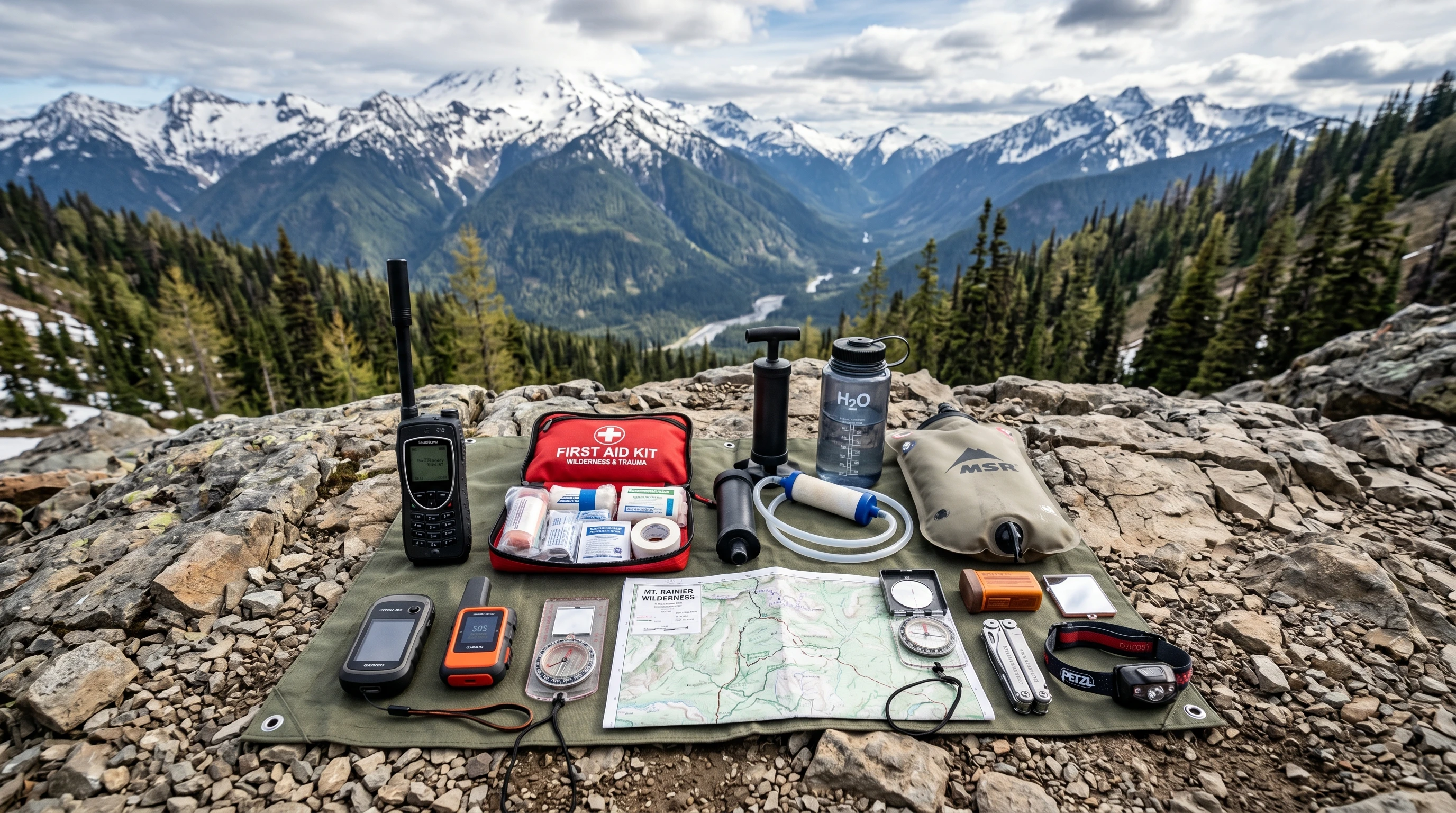
Here are the main types of safety gear I always make sure to pack. Some you might know, but there are a few that can catch first-timers by surprise:
- Satellite Communicators: These let you call for help when your phone has zero signal, such as satellite phones or a two-way device like the Garmin inReach. A regular cell phone is far less helpful away from cell towers.
- Personal Locator Beacons (PLBs): One push of a PLB can alert emergency services to your location. Super useful for solo hikers or groups in very remote regions.
- First Aid Kit: A well stocked kit should include wound care, blister treatments, painkillers, allergy meds, and trauma supplies. I always add a few extras, like extra bandages or an emergency blanket.
- Navigation Tools: Maps, compasses, and a reliable GPS device keep you on track. Even the old school paper map comes out sometimes when batteries die.
- Water Filtration: A lightweight filter or purification method means you’re not caught out if you run low on water. Tablets, pumps, and straws are all worth checking out.
- Weather Protection: Emergency bivy sacks, thermal blankets, and rain ponchos can save you from hypothermia in a pinch.
How to Prepare for Remote Travel Emergencies
Preparation is everything when you’re heading far away from services. Here’s how I make sure my trips are as safe as possible:
- Doublecheck all equipment before you leave. A dry run at home helps catch anything missing or broken. I test electronics like my PLB and check batteries on GPS units.
- Share your plans with someone you trust. Letting a friend or family member know where you’re headed and when you’ll be back is a super important step. If you don’t show up when expected, that info helps rescuers a lot.
- Pack duplicate survival basics if you can spare the weight. Think extra fire starters, a backup water filter, and a spare headlamp. If one breaks, you’re not stranded.
- Learn how your safety gear works before you’re out there. Spend a few minutes at home using your water filter, popping open emergency blankets, or triggering your beacon (use the “test” mode, not the real thing!). Confidence with your gear saves time under stress.
Factors to Think About Before You Buy or Pack Gear
Not all equipment fits every adventure or traveler. Here are a few things I always consider when picking what to bring:
- Weight & Space: Backpackers and bikers need super lightweight kits, while folks with a 4×4 can handle bulkier gear.
- Battery Life and Charging: Solar chargers or extra power banks keep electronics working on longer trips.
- Durability and Waterproofing: Dust, rain, and bumps are the norm, not the exception. I go for rugged cases and waterproof pouches where possible.
- Skill Level: There’s no point packing a giant first aid kit if you don’t know how to use half of it. Training helps your gear actually help you.
Weight & Space
On a solo hike or long wilderness expedition, every ounce counts. I like to strip down to the essentials and go with lighter, multipurpose items wherever possible. For example, a waterproof map acts as both navigation and an emergency rain shield in a pinch.
Battery Life
It’s pretty common for people to put all their trust in digital gear only to find the batteries drained halfway through their trip. I always pack spares and, if possible, a compact solar panel to top things off during rest breaks. Swapping to low power settings on electronics will also stretch out the days of use.
Durability
Nothing’s worse than pulling out a locator beacon covered in river water and realizing it doesn’t turn on. Water resistant or shockproof cases add extra peace of mind, especially in wet or rocky terrain. I use dry bags for small electronics and my first aid kit just in case I end up in a downpour or fording a stream.
Skill Level
Some safety gear, like advanced trauma kits or GPS programming, require a bit of know how. Community classes or online tutorials can be really helpful here. I still do a first aid refresher before every long trip, just to keep things sharp.
Advanced Safety Strategies for Remote Adventures
Feeling secure with the basics? Here are a few other things that help take remote safety up a notch:
Plan Escape Routes: Know at least two ways out of your area in case the main trail or road is blocked. GPS apps and physical maps are handy for doublechecking options.
Redundancy: Carry backup versions of the stuff that keeps you alive, like a second fire starter or alternate communication devices.
Emergency Shelters and Food: Tossing a small tarp or bivy sack in your bag can be a lifesaver if you get stuck overnight. High calorie snacks or emergency rations mean energy when you really need it.
Group Safety Protocols: If you’re with others, not everyone needs to lug the same gear. Split first aid or water filtration among the group to save weight but cover all needs. Have a quick huddle about who’s carrying what before you set off.
Common Questions on Safety and Remote Travel
I often get some repeat questions from people looking to head out on their first remote trips:
Question: Do I really need a satellite communicator or beacon if I have a cell phone?
Answer: A cell phone works great until you lose service, which can happen surprisingly fast in some areas. A beacon or satellite communicator offers coverage pretty much anywhere and is the only way to guarantee you can call for help.
Question: How do I know what should go in my first aid kit?
Answer: Start with basics for cuts, blisters, and allergic reactions, then add a trauma dressing, burn cream, and personal meds. I always pack extra painkillers, an emergency blanket, and wound irrigation tools for thorough cleaning. It is always better to prepared for the unexpected than not have what you need.
Question: What’s the best way to keep my gear dry?
Answer: Waterproof stuff sacks and dry bags work wonders. Place all electronics, medical supplies, and important food inside. For even more protection, double bag items when expecting heavy weather or lots of river crossings.
Gear Recap: What Should Be In Every Remote Travel Kit?
Picking the right gear depends on your trip, but these basics go on nearly all my adventures:
- Satellite communicator or PLB for emergency contact
- Map and compass for navigation
- Personal first aid kit tailored to your needs
- Water filter or purifying tablets
- Backup fire starter (like a ferro rod or stormproof matches)
- Space blanket or emergency shelter
- Headlamp with spare batteries
- High calorie snacks or emergency rations
Every trip is unique, and it never hurts to tweak your kit based on where you’re going. Trying gear at home first and packing things you actually know how to use gives you a huge leg up if things go sideways. Staying safe in remote places is all about preparation, practice, and a little bit of creativity when it counts most. Whenever you’re headed out, take a moment to think through your list, ask yourself if you’re ready, and doublecheck your essentials; in remote areas, a little foresight goes a long way toward keeping your adventure exciting, not risky.